
Why Kidney Stones Are Common in Summer & How to Prevent Them
Kidney stones are a painful condition that many people experience, especially during the summer season. As temperatures rise, the risk of developing kidney stones also increases. Many patients visit hospitals with severe pain, not realizing that simple lifestyle changes could have prevented it.
Understanding why kidney stones are more common in summer and how to prevent them can help you avoid unnecessary pain and complications.
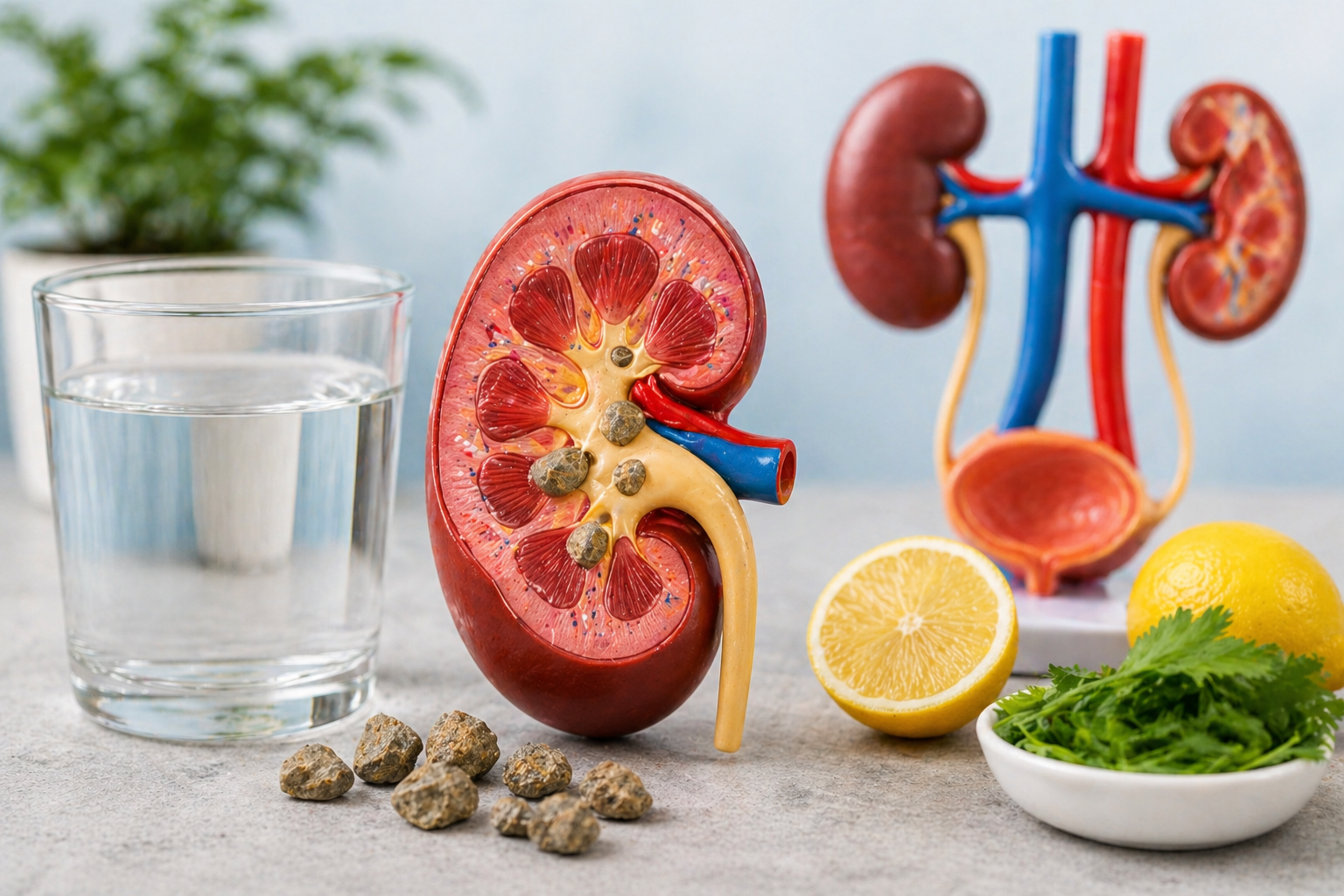
Why Do Kidney Stones Increase in Summer?
During summer, the body loses more water through sweat. If this lost fluid is not replaced properly, the urine becomes more concentrated. This concentration allows minerals like calcium, oxalate, and uric acid to form crystals inside the kidneys.
Over time, these crystals join together and form stones.
In hot places like Tirunelveli, where people are exposed to high temperatures for long hours, dehydration becomes very common. This is one of the main reasons why kidney stone cases increase during summer.
Understanding Kidney Stones in Simple Terms
Kidney stones are hard deposits made of minerals and salts that form inside the kidneys. They may remain small and pass through urine, or they may grow larger and cause severe pain when they block the urinary tract.
Some people may not notice small stones, but larger stones can lead to intense discomfort and require medical treatment.
Common Symptoms You Should Not Ignore
Kidney stone pain is often sudden and severe. It usually starts in the lower back or side and may move towards the lower abdomen or groin.
Along with pain, some people may experience a burning sensation while passing urine, frequent urge to urinate, or blood in the urine. Nausea and vomiting can also occur in some cases.
Ignoring these symptoms can make the condition worse, so early attention is important.
How to Prevent Kidney Stones in Summer
Prevention is always better than treatment, especially when it comes to kidney stones. The most important step is staying well hydrated.
Drinking enough water throughout the day helps dilute the urine and prevents the formation of crystals. In summer, the body needs more fluids than usual, even if you do not feel thirsty.
Including natural fluids like tender coconut water, lemon water, and buttermilk can help maintain hydration levels. These also help in balancing the body’s salts.
Diet also plays an important role. Reducing excess salt intake and avoiding too much junk food can lower the risk of stone formation. Eating fresh fruits and vegetables supports overall kidney health.
Lifestyle Habits That Protect Your Kidneys
Apart from diet and hydration, daily habits also matter. Sitting for long hours without movement can affect overall metabolism, so staying active is important.
Avoid holding urine for long periods, as it can increase the risk of urinary problems. Maintaining a regular routine with proper sleep and physical activity helps the body function better, including the kidneys.
When Should You See a Doctor?
While small kidney stones may pass on their own, some cases require medical attention.
If you experience severe pain, blood in urine, fever, or difficulty passing urine, it is important to consult a doctor immediately. Delay in treatment can lead to infection or complications.
At Shifa Hospital, patients receive proper diagnosis and advanced treatment for kidney stones and other urological conditions.
Expert Care for Kidney Stones
Kidney stones can be effectively managed with the right medical care. Modern treatments are available that are safe and less painful, helping patients recover quickly and return to normal life.
Consulting a specialist at the right time can prevent complications and ensure proper treatment based on the size and type of the stone.
Conclusion
Kidney stones are common during summer, but they are largely preventable. Staying hydrated, eating a balanced diet, and following healthy habits can significantly reduce your risk.
Listening to your body and seeking medical help when needed can make all the difference.
Taking small steps today can help you avoid severe pain tomorrow.
MS., MCh
Urology
Shifa Hospitals

October 17, 2026
shifa_hospitals
Recovering from angioplasty goes beyond the hospital stay - it’s a journey of lifestyle changes that protect the heart for years to come. One of the most...
September 22, 2026
shifa_hospitals
Recovering from angioplasty goes beyond the hospital stay - it’s a journey of lifestyle changes that protect the heart for years to come. One of the most...
September 11, 2026
shifa_hospitals
Recovering from angioplasty goes beyond the hospital stay - it’s a journey of lifestyle changes that protect the heart for years to come. One of the most...
August 22, 2026
shifa_hospitals
Recovering from angioplasty goes beyond the hospital stay - it’s a journey of lifestyle changes that protect the heart for years to come. One of the most...
August 12, 2026
shifa_hospitals
Recovering from angioplasty goes beyond the hospital stay - it’s a journey of lifestyle changes that protect the heart for years to come. One of the most...
July 30, 2026
shifa_hospitals
Recovering from angioplasty goes beyond the hospital stay - it’s a journey of lifestyle changes that protect the heart for years to come. One of the most...
July 18, 2026
shifa_hospitals
Recovering from angioplasty goes beyond the hospital stay - it’s a journey of lifestyle changes that protect the heart for years to come. One of the most...
June 24, 2026
shifa_hospitals
Recovering from angioplasty goes beyond the hospital stay - it’s a journey of lifestyle changes that protect the heart for years to come. One of the most...
June 10, 2026
shifa_hospitals
Recovering from angioplasty goes beyond the hospital stay - it’s a journey of lifestyle changes that protect the heart for years to come. One of the most...
May 21, 2026
shifa_hospitals
Recovering from angioplasty goes beyond the hospital stay - it’s a journey of lifestyle changes that protect the heart for years to come. One of the most...