Stroke: Early Warning Signs You Should Never Ignore
A stroke is a serious medical emergency that can happen suddenly and without warning. It affects the brain and can change a person’s life within minutes. Many people think stroke happens only to older adults, but the truth is that it can affect adults of different age groups, especially those with health conditions like high blood pressure, diabetes, heart disease, or unhealthy lifestyle habits.
The most important thing to understand about stroke is this: early action can save lives and reduce complications. Recognizing the warning signs quickly and getting medical help immediately can make a major difference in recovery.
What Happens During a Stroke?
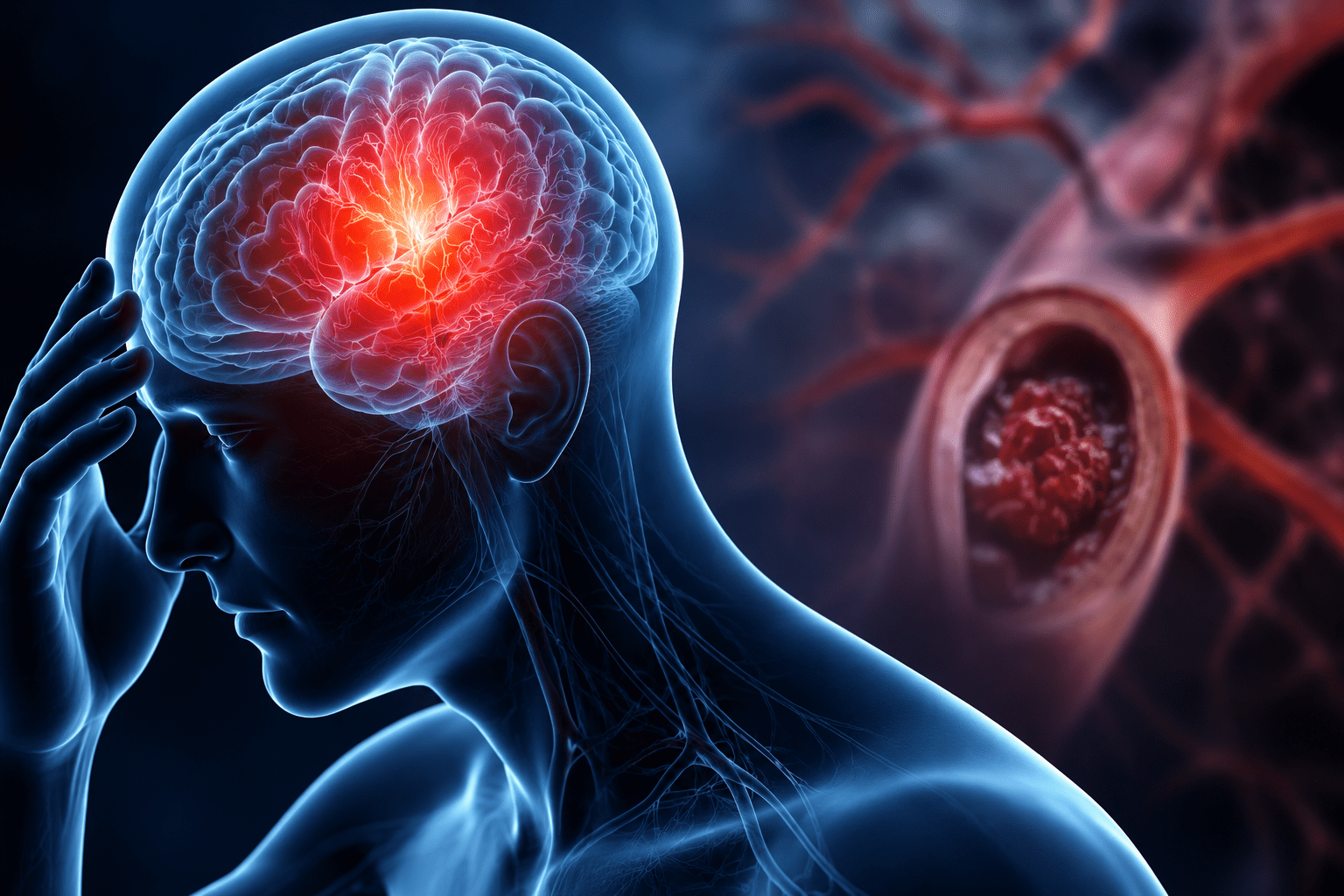
A stroke happens when the blood supply to a part of the brain is interrupted or reduced. The brain needs oxygen and nutrients to function properly. When blood flow stops, brain cells begin to get damaged within minutes.
There are different types of stroke, but the most common type occurs when blood flow to the brain is blocked. In some cases, stroke can also happen due to bleeding in the brain.
Because the brain controls body movements, speech, memory, and many important functions, a stroke can affect a person’s ability to talk, walk, think, or even carry out simple daily activities.
Why Early Recognition Is So Important ?
When it comes to stroke, time is extremely important. Doctors often say “Time Lost Is Brain Lost.”
The longer treatment is delayed, the greater the chance of permanent brain damage. Quick treatment may help reduce disability and improve recovery.
Unfortunately, many people ignore the early warning signs or wait too long before visiting the hospital. Some believe symptoms will go away on their own, but stroke symptoms should never be ignored.
Early Warning Signs of Stroke You Should Never Ignore
Stroke symptoms usually appear suddenly. Knowing these signs can help save a life.
Sudden Weakness or Numbness
A person may suddenly feel weakness or numbness in the face, arm, or leg — especially on one side of the body. One arm may feel difficult to lift or move.
Difficulty Speaking or Understanding
Speech may suddenly become slurred, unclear, or confusing. Some people may struggle to understand simple conversations.
Face Drooping
One side of the face may begin to droop or look uneven, especially while smiling.
Sudden Trouble Walking
Loss of balance, dizziness, or difficulty walking may happen unexpectedly.
Severe Headache
A sudden and severe headache without a clear reason can sometimes be a warning sign, especially if it is unusual.
Blurred Vision
Sudden trouble seeing from one or both eyes should never be ignored.
Remember the FAST Method
A simple way to identify stroke symptoms is by remembering FAST:
F – Face Drooping: Is one side of the face drooping?
A – Arm Weakness: Can the person raise both arms?
S – Speech Difficulty: Is speech unclear or difficult?
T – Time to Act: Seek emergency medical care immediately.
Even if symptoms disappear after a few minutes, medical attention is still important.
Who Is at Higher Risk of Stroke?
Certain conditions and habits can increase stroke risk.
People with high blood pressure, diabetes, high cholesterol, heart disease, obesity, or smoking habits are more likely to develop stroke. Stress, lack of physical activity, poor sleep, and unhealthy lifestyle choices may also increase risk over time.
Family history can sometimes play a role as well.
Can Stroke Be Prevented?
While not every stroke can be prevented, many cases can be reduced through healthy lifestyle habits.
Regular health checkups, controlling blood pressure and diabetes, staying physically active, avoiding smoking, and maintaining a healthy lifestyle all help lower stroke risk.
Small daily habits can make a big difference in protecting brain health.
When Should You Seek Immediate Medical Help?
Never wait to “see if symptoms improve.”
If you notice sudden weakness, speech problems, face drooping, or confusion in yourself or someone nearby, go to the hospital immediately. Early treatment offers the best chance for recovery and may reduce long-term disability.
At Shifa Hospital, we have best neurologist in tirunelvleli & emergency medical care is available for patients experiencing stroke symptoms, ensuring quick evaluation and timely treatment.
Conclusion
A stroke can happen suddenly, but recognizing the warning signs early can save lives. Understanding the symptoms and acting quickly is one of the most important steps in protecting yourself and your loved ones.
Never ignore sudden changes in speech, movement, or balance. In stroke care, every minute matters.
MD., DM
Neurology
Shifa Hospitals