
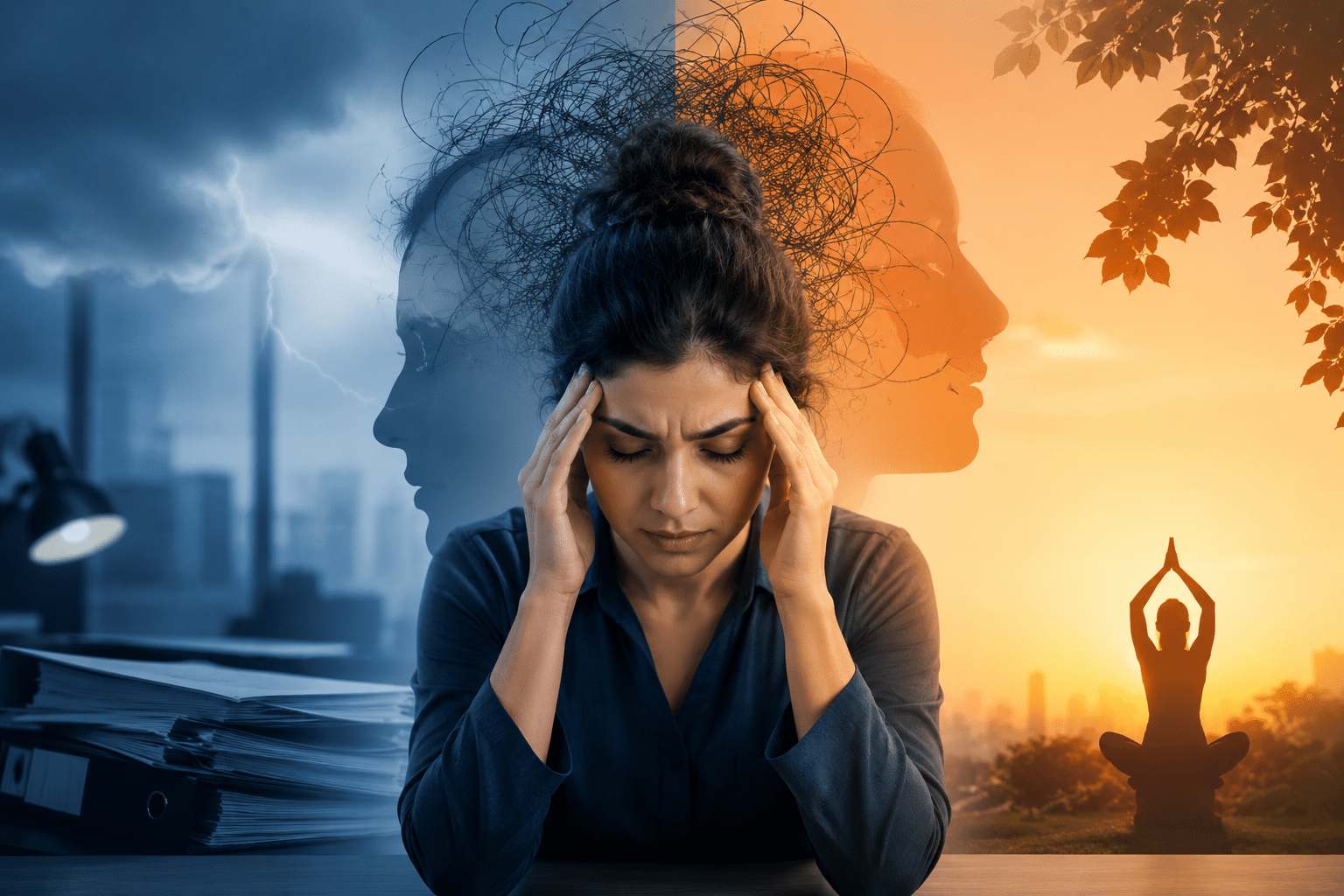
How Stress Affects Your Body and Mind
Stress has become a common part of modern life. Whether it is work pressure, financial responsibilities, family concerns, studies, or health issues, almost everyone experiences stress at some point. While a small amount of stress can sometimes motivate us to perform better, ongoing or excessive stress can have a significant impact on both physical and mental health.
Many people think stress only affects emotions, but the reality is that it can influence almost every system in the body. Understanding how stress affects your body and mind is the first step toward protecting your overall wellbeing.
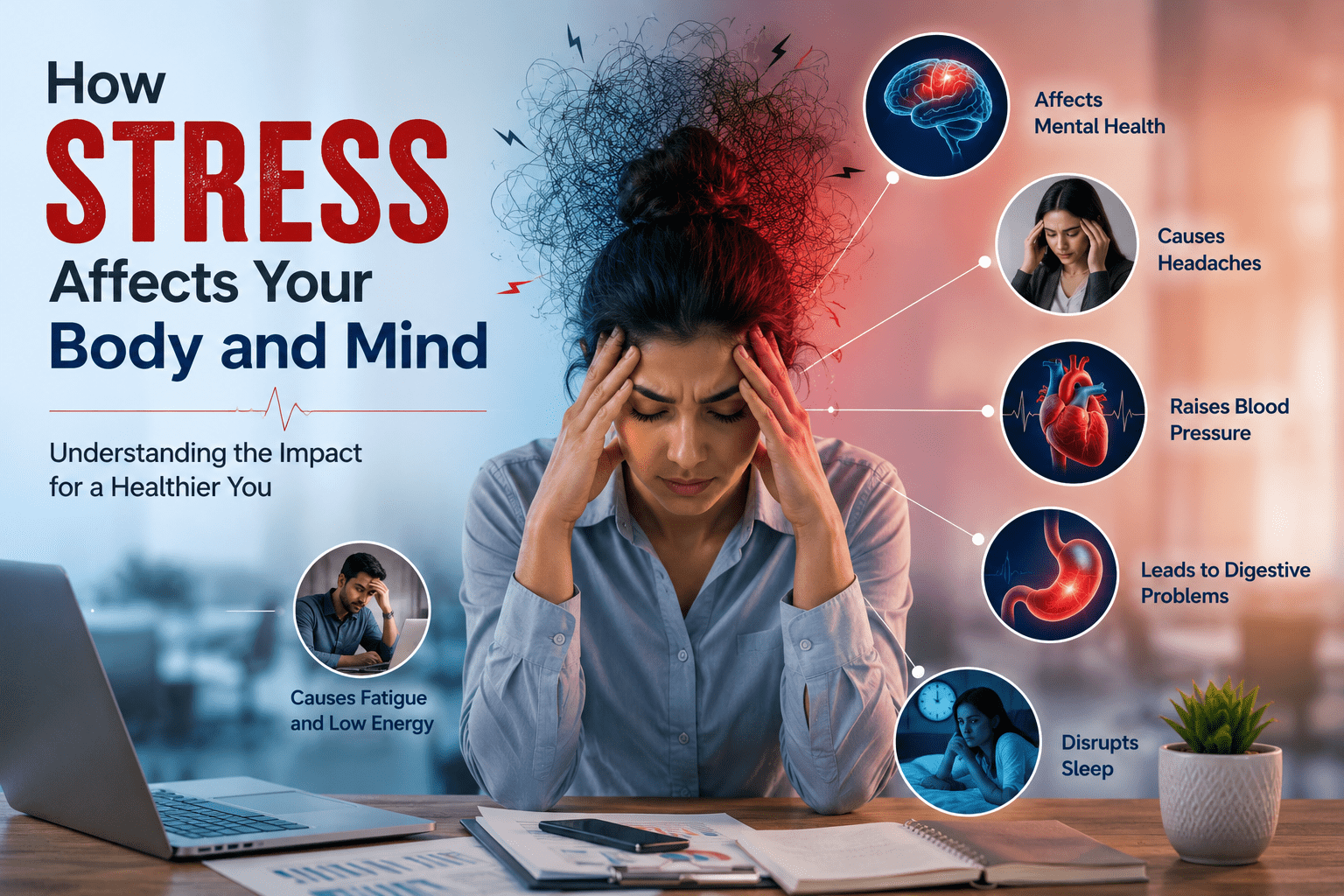
What Is Stress?
Stress is the body’s natural response to challenging or demanding situations. When you face a stressful event, your body releases hormones such as adrenaline and cortisol. These hormones prepare the body to react quickly, often referred to as the “fight or flight” response.
While this response is useful during emergencies, prolonged stress can keep the body in a constant state of alertness, which may eventually affect health.
How Stress Affects Your Mind
One of the first areas affected by stress is the mind. When stress levels remain high for a long time, it becomes difficult to relax and think clearly.
People experiencing stress may find themselves worrying excessively, feeling overwhelmed, or struggling to concentrate. Simple tasks that once seemed easy may begin to feel challenging. Stress can also affect memory, decision-making, and productivity.
Emotionally, stress may lead to irritability, mood swings, frustration, or feelings of sadness. Over time, unmanaged stress can contribute to anxiety and other mental health concerns.
The Physical Effects of Stress
Stress is not just a mental experience. It often shows up through physical symptoms that many people may not immediately connect to stress.
Frequent headaches, muscle tension, neck pain, and shoulder stiffness are common complaints among people dealing with chronic stress. Some individuals may feel constantly tired, even after getting adequate sleep.
The digestive system can also be affected. Stress may cause stomach discomfort, indigestion, changes in appetite, or irregular bowel habits. Some people tend to eat more during stressful periods, while others lose their appetite completely.
These physical symptoms are the body’s way of signaling that it is under pressure
Stress and Sleep Problems
Stress and sleep are closely connected. When the mind is filled with worries, it becomes difficult to fall asleep or stay asleep throughout the night.
Poor sleep can leave a person feeling exhausted the next day, making it even harder to handle stress. This often creates a cycle where stress affects sleep, and lack of sleep increases stress levels further.
Over time, inadequate sleep can affect energy, concentration, mood, and overall health.
The Impact of Stress on Heart Health
Many people are surprised to learn that stress can affect the heart.
During stressful situations, the heart beats faster and blood pressure may temporarily rise. When stress becomes a regular part of life, these repeated changes can place extra strain on the cardiovascular system.
People who experience chronic stress may also develop unhealthy habits such as smoking, lack of exercise, or poor sleep, which can further affect heart health.
This is why managing stress is an important part of maintaining overall wellness.
How Stress Affects Daily Life
Stress can influence relationships, work performance, and quality of life. It may reduce motivation, affect communication, and make it difficult to enjoy activities that once brought happiness.
Some people become withdrawn and avoid social interactions, while others may become more easily frustrated with family members, friends, or colleagues.
Recognizing these changes early can help prevent stress from taking control of daily life.
Healthy Ways to Manage Stress
Although stress cannot always be avoided, it can be managed effectively.
Regular physical activity is one of the most effective ways to reduce stress. Activities such as walking, stretching, yoga, or cycling help release tension and improve mood.
Taking short breaks during the day, spending time with loved ones, practicing relaxation techniques, and engaging in hobbies can also help calm the mind.
Maintaining a healthy routine with adequate sleep and proper hydration supports the body’s ability to cope with stress more effectively.
Even a few minutes of relaxation each day can make a meaningful difference.
When Should You Seek Help?
Feeling stressed occasionally is normal, but persistent stress should not be ignored.
If stress begins to affect your sleep, work, relationships, or physical health, it may be time to seek professional guidance. Early support can help prevent stress from developing into more serious health concerns.
At Shifa Hospital, healthcare professionals can help identify health issues that may be linked to stress and provide appropriate guidance for better wellbeing.
Conclusion
Stress is a natural part of life, but when it becomes overwhelming, it can affect both the body and mind in significant ways. From headaches and fatigue to sleep problems and emotional strain, the effects of stress can extend far beyond what many people realize.
Learning to recognize the signs of stress and taking steps to manage it can improve physical health, mental wellbeing, and overall quality of life. Small positive changes today can help create a healthier and more balanced tomorrow.