
Back Pain: Causes, Symptoms and How It Is Treated
Back pain is one of the most common health problems people experience. It can happen after lifting something heavy, sitting for long hours, an injury, or simply due to changes in the spine as we get older. For some people, the pain goes away within a few days. For others, it may continue for weeks and start affecting work, sleep, walking, and everyday activities.
Back pain does not always mean there is a serious problem. However, persistent or severe pain should not be ignored, especially when it is accompanied by other symptoms.
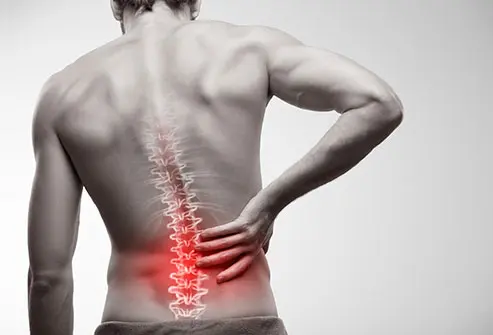
What Causes Back Pain?
There are many possible causes of back pain. Some are related to muscles and daily habits, while others involve the spine, discs, nerves, or joints.
1. Muscle or ligament strain
Lifting heavy objects, sudden movements, exercising without proper technique, or overuse can strain the muscles and ligaments in the back. This may cause pain, stiffness, or difficulty moving.
2. Poor posture
Spending several hours sitting at a desk, using a phone, driving, or working in an awkward position can put additional stress on the back. Over time, poor posture may contribute to recurring back pain.
3. Slipped or herniated disc
The discs between the bones of the spine act as cushions. Sometimes, part of a disc can bulge or move out of its normal position and press on a nearby nerve. This can cause back pain along with pain, numbness, or tingling that travels down the leg.
4. Age-related changes
As we grow older, the discs and joints in the spine can gradually change. Conditions such as spinal osteoarthritis and other degenerative changes may lead to stiffness and pain.
5. Sciatica
Sciatica occurs when the sciatic nerve is irritated or compressed. The pain may start in the lower back and travel through the buttock and down one leg. Some people may also experience tingling, numbness, or weakness.
6. Injuries
Falls, sports injuries, road accidents, or other physical trauma can cause injuries to the muscles, joints, discs, or bones of the spine.
7. Other medical conditions
In some cases, back pain can be related to conditions such as osteoporosis, spinal infections, kidney problems, or other medical conditions. This is why persistent or unexplained pain should be evaluated by a doctor.
What Are the Symptoms of Back Pain?
Back pain can feel different from one person to another. Common symptoms include:
- Pain or aching in the lower, middle, or upper back
- Stiffness in the back
- Difficulty bending or moving
- Pain that becomes worse with certain movements
- Muscle tightness or spasms
- Pain spreading to the buttocks or legs
- Tingling or numbness in the leg
The severity of the pain does not always tell you how serious the underlying problem is. A proper evaluation is needed when symptoms continue or interfere with daily activities.
When Should You See a Doctor?
Mild back pain that improves within a few days may not require immediate medical attention. However, you should consult a doctor if:
- The pain continues or keeps coming back
- The pain is getting worse
- Back pain is affecting your normal activities or sleep
- Pain spreads down your leg
- You experience numbness or tingling
- You notice weakness in your legs
- The pain started after a fall or accident
- You have unexplained weight loss, fever, or other unusual symptoms
Severe back pain with significant weakness, loss of bladder or bowel control, or numbness around the groin area requires urgent medical attention.
How Is Back Pain Diagnosed?
A doctor will first understand your symptoms, medical history, daily activities, and how the pain started. A physical examination may also be done to check your movement, muscle strength, reflexes, and sensation.
Depending on your symptoms, your doctor may recommend investigations such as an X-ray, MRI, or other tests. Not everyone with back pain needs a scan. The appropriate investigation depends on the suspected cause and your symptoms.
How Is Back Pain Treated?
Treatment depends on what is causing the pain and how severe it is. Many cases of back pain can be managed without surgery.
Physiotherapy and exercises
Specific exercises can help improve flexibility, strengthen the muscles supporting the spine, and improve movement. A physiotherapist can recommend exercises based on your condition.
Medicines
Depending on the cause and severity of the pain, a doctor may recommend medicines to reduce pain and inflammation. Medicines should be taken only as advised by a healthcare professional.
Lifestyle changes
Maintaining a healthy weight, improving posture, taking regular breaks from prolonged sitting, and staying physically active can help reduce stress on the back.
Injections
For certain conditions, your doctor may recommend injections to help reduce pain or inflammation around an affected nerve or joint.
Surgery
Surgery is not required for most people with back pain. However, it may be considered when there is significant nerve compression, certain spinal conditions, serious injury, or when symptoms do not improve with appropriate non-surgical treatment.
The treatment approach should always be based on the underlying cause rather than the pain alone.
Can Back Pain Be Prevented?
Not every case of back pain can be prevented, but some everyday habits can help keep your back healthy.
- Maintain a healthy body weight
- Stay physically active
- Avoid sitting continuously for long periods
- Pay attention to your posture while sitting and working
- Use proper technique when lifting heavy objects
- Strengthen your core and back muscles through suitable exercises
- Avoid sudden increases in strenuous physical activity
- Take care when performing repetitive movements
Don't Ignore Persistent Back Pain
Back pain can be caused by something as simple as muscle strain, but it can also be a sign of a problem involving the spine or nerves. If the pain continues, keeps returning, or is affecting your everyday life, getting the right diagnosis can help you receive appropriate treatment.
At Shifa Hospitals, Tirunelveli, our Orthopaedics team provides evaluation and treatment for a range of bone, joint, muscle, and spine-related conditions. If you are experiencing persistent back pain, consult an orthopaedic specialist to understand the cause and the right treatment for you.
M.B.B.S, MS(ortho) MS., MCh
Orthopaedic & Joint replacement surgeon
Shifa Hospitals

September 22, 2026
shifa_hospitals
Recovering from angioplasty goes beyond the hospital stay - it’s a journey of lifestyle changes that protect the heart for years to come. One of the most...
September 11, 2026
shifa_hospitals
Recovering from angioplasty goes beyond the hospital stay - it’s a journey of lifestyle changes that protect the heart for years to come. One of the most...
August 22, 2026
shifa_hospitals
Recovering from angioplasty goes beyond the hospital stay - it’s a journey of lifestyle changes that protect the heart for years to come. One of the most...
August 12, 2026
shifa_hospitals
Recovering from angioplasty goes beyond the hospital stay - it’s a journey of lifestyle changes that protect the heart for years to come. One of the most...
July 30, 2026
shifa_hospitals
Recovering from angioplasty goes beyond the hospital stay - it’s a journey of lifestyle changes that protect the heart for years to come. One of the most...
July 18, 2026
shifa_hospitals
Recovering from angioplasty goes beyond the hospital stay - it’s a journey of lifestyle changes that protect the heart for years to come. One of the most...
June 24, 2026
shifa_hospitals
Recovering from angioplasty goes beyond the hospital stay - it’s a journey of lifestyle changes that protect the heart for years to come. One of the most...
June 10, 2026
shifa_hospitals
Recovering from angioplasty goes beyond the hospital stay - it’s a journey of lifestyle changes that protect the heart for years to come. One of the most...
May 21, 2026
shifa_hospitals
Recovering from angioplasty goes beyond the hospital stay - it’s a journey of lifestyle changes that protect the heart for years to come. One of the most...
May 9, 2026
shifa_hospitals
Recovering from angioplasty goes beyond the hospital stay - it’s a journey of lifestyle changes that protect the heart for years to come. One of the most...