
Understanding Heart Failure
Heart failure is a condition where the heart becomes weaker and cannot pump blood efficiently to meet the body’s needs. It does not mean the heart has stopped working. Instead, it means the heart requires medical care and lifestyle support to function properly.
Because the heart supplies oxygen and nutrients to the entire body, reduced pumping gradually affects breathing, energy levels, and fluid balance. Recognizing early warning signs helps prevent complications and improves long-term health.
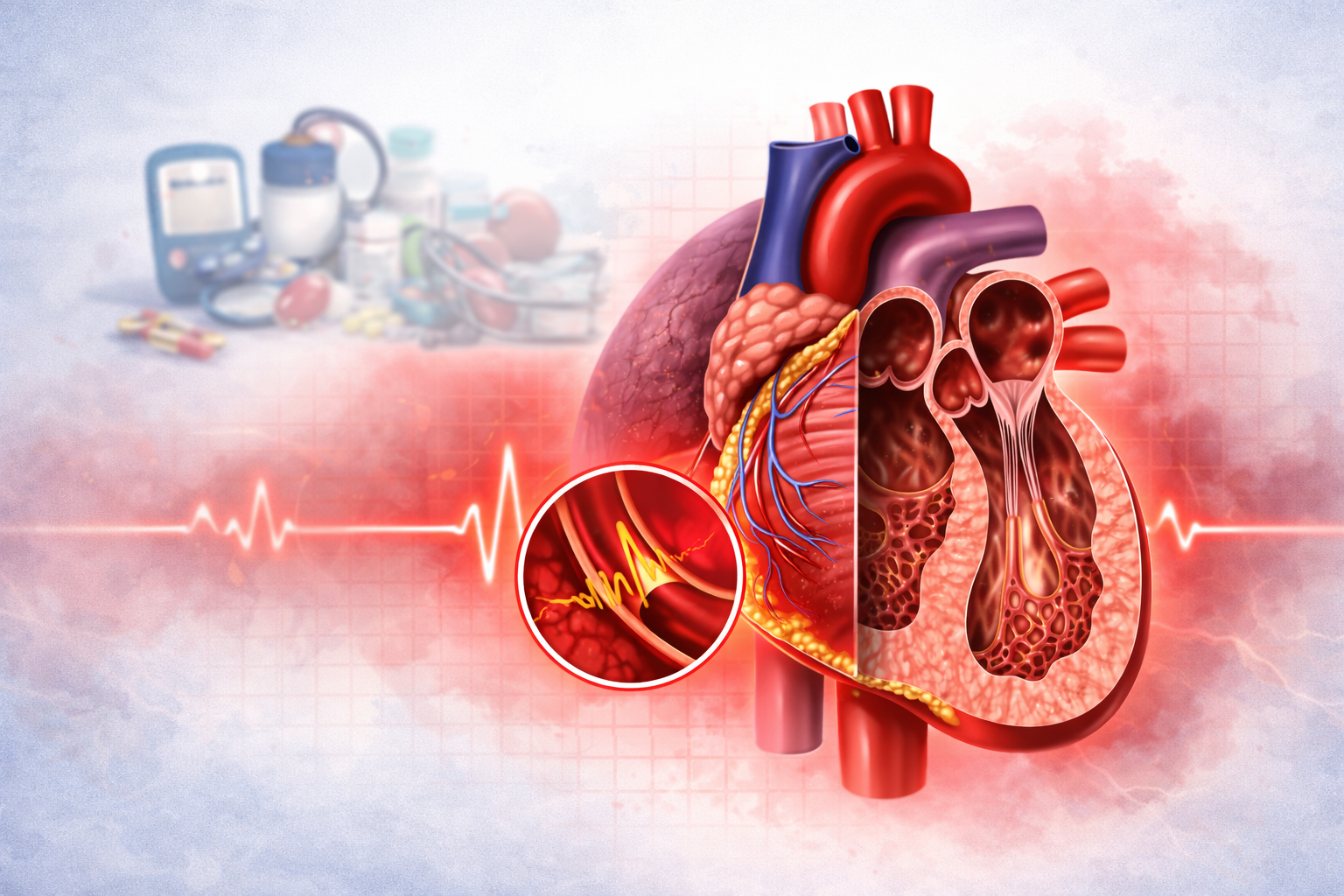
What Is Heart Failure?
Your heart works like a pump that keeps blood circulating throughout the body. When the heart muscle becomes weak or stiff, circulation slows down and fluid may begin to build up in the lungs or legs. This leads to breathlessness, swelling, and fatigue.
Heart failure often develops slowly. Many people adapt to symptoms without realizing their heart is under strain. With early diagnosis and proper treatment, most patients can live stable and active lives.
Reasons for Heart Failure
Heart failure usually happens because other medical conditions damage the heart over time. Identifying these causes early helps protect heart function.
High blood pressure:
Long-standing high blood pressure forces the heart to pump harder than normal. Over time, this extra workload weakens the heart muscle and reduces pumping efficiency.
Coronary artery disease
Blocked or narrowed arteries limit oxygen supply to the heart. Reduced blood flow gradually damages heart tissue and makes pumping less effective.
Previous heart attack
A heart attack permanently injures part of the heart muscle. The remaining muscle must work harder, which can eventually lead to heart weakness.
Diabetes
Poorly controlled blood sugar affects blood vessels and heart tissue. This increases strain on the heart and raises the risk of long-term damage.
Valve problems
When heart valves do not open or close properly, the heart must compensate by working harder. Over time, this added stress can weaken heart function.
Symptoms of Heart Failure
Symptoms may appear gradually and are often mistaken for aging or tiredness. Paying attention to these signs allows early medical care.
Shortness of breath:
Breathing may feel difficult during walking, climbing stairs, or lying flat. Fluid buildup in the lungs makes oxygen exchange harder and causes discomfort.
Swelling in legs or feet
Fluid retention leads to puffiness in ankles, feet, or lower legs. Swelling often becomes more noticeable by the end of the day.
Persistent fatigue
Reduced blood flow means muscles receive less oxygen and nutrients. Even simple daily activities can feel unusually tiring.
Rapid or irregular heartbeat
The heart may beat faster as it tries to compensate for weak pumping. Some people notice palpitations or fluttering sensations.
Sudden weight gain
Fluid accumulation can cause quick weight increase over a few days. This is often an early sign that the body is retaining excess fluid.
Treatment Options for Heart Failure
Treatment focuses on improving heart function, relieving symptoms, and preventing further damage. A combination of medical care and lifestyle changes gives the best results.
Medications
Doctors prescribe medicines to help the heart pump more effectively, control blood pressure, and reduce fluid buildup. Consistent use is essential for stability.
Lifestyle changes
Reducing salt intake, maintaining a healthy weight, staying physically active, and quitting smoking lower strain on the heart and support recovery.
Monitoring and follow-up
Regular checkups allow doctors to track heart function and adjust treatment. Early detection of changes prevents complications.
Medical devices or procedures
In advanced cases, specialized devices or corrective procedures may be recommended to assist heart function and improve quality of life.
Managing Heart Failure for a Better Life
Heart failure is a long-term condition, but it does not mean life stops. With proper treatment and daily care, many people regain energy and confidence. Early action, medication adherence, and healthy habits play a major role in long-term stability.
At Shifa Hospital in Tirunelveli, heart care focuses on accurate diagnosis, personalized treatment, and ongoing guidance to help patients live better with heart conditions.
M.B.B.S., M.D.(General Medicine) D.M.(Cardiology)., FNB
Cardiology
Shifa Hospitals

February 11, 2026
shifa_hospitals
Recovering from angioplasty goes beyond the hospital stay - it’s a journey of lifestyle changes that protect the heart for years to come. One of the most...
January 17, 2026
shifa_hospitals
Heart-related problems can be frightening, especially when a doctor mentions surgery. At that moment, many patients and their families hear two common...
December 19, 2025
shifa_hospitals
Heart-related problems can be frightening, especially when a doctor mentions surgery. At that moment, many patients and their families hear two common...
December 12, 2025
shifa_hospitals
Fibroids are extremely common among women, especially during the reproductive years. Many women discover them accidentally during scans, while others notice...
November 25, 2025
shifa_hospitals
Radiation therapy uses high-energy rays (similar to X-rays) to target and destroy cancer cells. These cancer cells grow much faster than normal cells,...
November 21, 2025
shifa_hospitals
COPD develops slowly and often begins with symptoms like breathlessness, long-term cough, or frequent chest infections. Many people ignore these early...
October 30, 2025
shifa_hospitals
Both Pneumonia and Tuberculosis are lung diseases that can cause cough, fever, and breathing difficulty. When symptoms overlap, many people search for...
October 22, 2025
shifa_hospitals
Bloating during ovulation may make your stomach appear swollen, cause mild discomfort, or even mimic premenstrual bloating. This temporary bloating is...
August 30, 2025
shifa_hospitals
Recovering from angioplasty goes beyond the hospital stay - it’s a journey of lifestyle changes that protect the heart for years to come. One of the most...
August 29, 2025
shifa_hospitals
Menstrual cycles can vary, but sometimes changes in flow, timing, or pain go beyond what’s considered normal. Understanding the 8 types of abnormal me...