
Summer Health Tips: How to Stay Safe and Hydrated in Hot Weather
Summer in places like Tirunelveli can be intense. The heat is not just uncomfortable—it can also affect your health in many ways. From dehydration and tiredness to more serious problems like heat exhaustion, the body can struggle to cope if proper care is not taken.
The good news is that with a few simple lifestyle changes, you can stay safe, active, and healthy even during the hottest days.
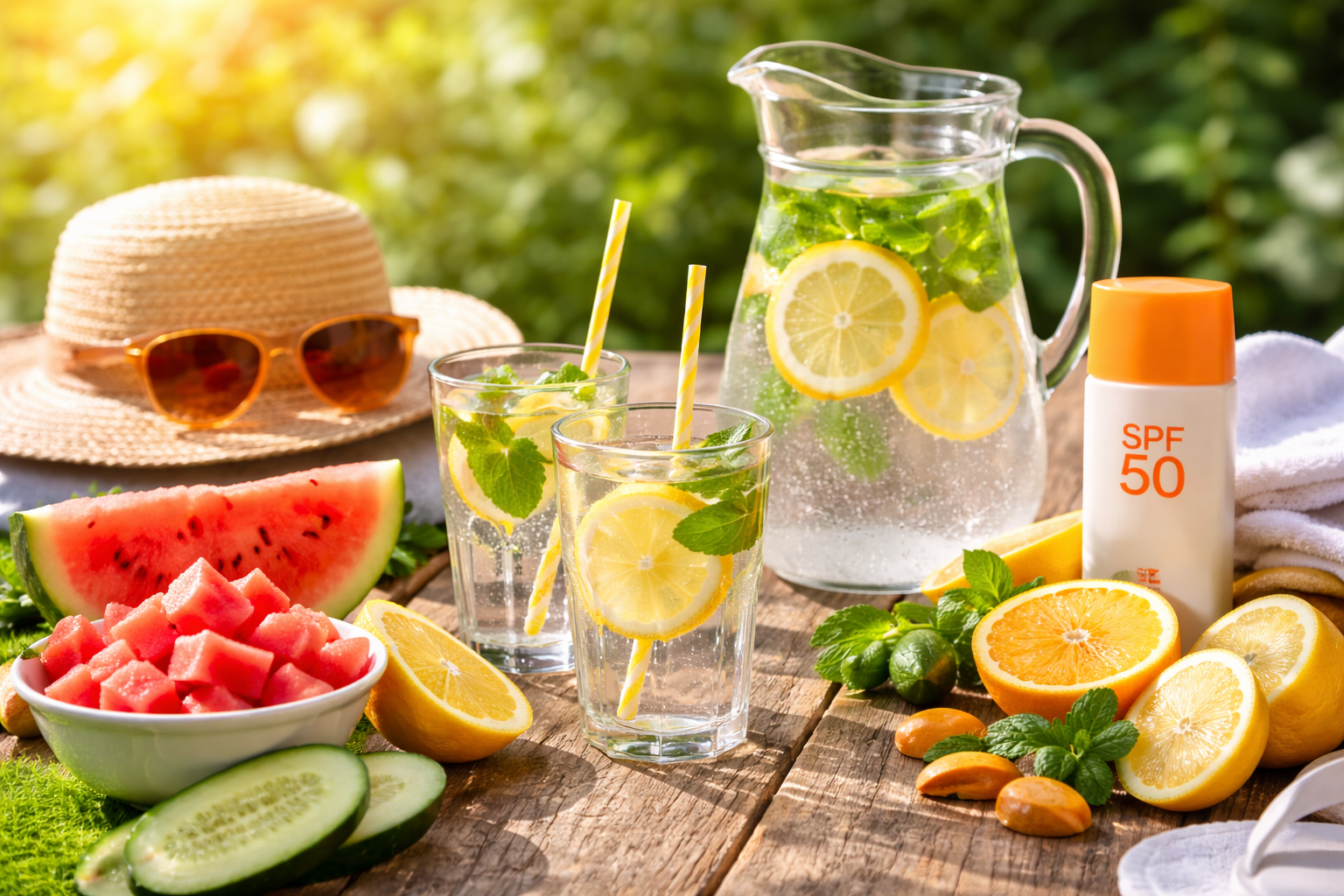
Understanding How Heat Affects Your Body
When the temperature rises, your body tries to cool itself by sweating. While this is natural, it also leads to loss of water and essential salts. If this loss is not replaced, it can result in dehydration, weakness, headaches, and dizziness.
In severe cases, too much heat exposure can even lead to heat stroke, which requires immediate medical attention.
This is why staying hydrated and protecting your body from heat is very important during summer.
The Importance of Staying Hydrated
Water is the most important thing your body needs during summer. Many people drink water only when they feel thirsty, but by that time, the body may already be slightly dehydrated.
Drinking water regularly throughout the day helps maintain body temperature, supports digestion, and keeps your energy levels stable.
Apart from water, natural drinks like tender coconut water, buttermilk, and lemon water can help replace lost fluids and minerals. These are simple, easily available, and very effective in hot climates.
At the same time, it is better to avoid cool drinks, packaged juices, and excessive caffeine, as they can actually increase dehydration.
Choosing the Right Foods in Summer
Food also plays a big role in how your body handles heat. Light, fresh, and water-rich foods are always better during summer.
Including fruits like watermelon, cucumber, papaya, and oranges in your daily diet helps keep the body cool and hydrated. Vegetables such as gourds, greens, and salads are also easy to digest and support hydration.
Heavy, oily, and spicy foods can make you feel more tired and uncomfortable in hot weather. Eating smaller, lighter meals instead of heavy meals can make a big difference in how you feel throughout the day.
Protecting Yourself from Direct Heat
Avoiding direct sun exposure, especially during peak hours (11 AM to 3 PM), is one of the simplest ways to protect your health.
If you need to go outside, wearing light-colored, loose cotton clothes helps your body stay cool. Using an umbrella, cap, or scarf can also reduce direct heat exposure.
Even small habits like carrying a water bottle when you step out can help prevent dehydration.
Recognizing Early Signs of Heat Problems
Your body often gives early warning signs when it is affected by heat. Feeling unusually tired, dizzy, or having a headache can be early symptoms of dehydration.
Some people may also experience muscle cramps, excessive sweating, or dry skin. Ignoring these signs can make the condition worse.
If someone feels very weak, confused, or faints due to heat, it is important to seek medical help immediately.
Special Care for Children and Elderly
Children and older adults are more sensitive to heat. They may not always express thirst or discomfort clearly, which increases the risk of dehydration.
Making sure they drink enough fluids, eat properly, and stay in a cool environment is very important during summer. Avoiding outdoor exposure during peak heat hours is especially important for them.
Simple Daily Habits That Make a Big Difference
Staying healthy in summer does not require major changes. Simple habits like drinking enough water, eating fresh foods, avoiding direct sunlight, and listening to your body can keep you safe.
Maintaining a regular routine with proper rest and light physical activity also helps your body adapt better to the heat.
When Should You See a Doctor?
While most heat-related issues can be managed with basic care, some situations require medical attention.
If you experience severe dehydration, continuous vomiting, high fever, or symptoms of heat stroke, it is important to consult a doctor immediately.
At Shifa Hospital, expert medical care is available to handle heat-related health problems and keep you safe during extreme weather conditions
Conclusion
Summer can be challenging, but it doesn’t have to affect your health. By staying hydrated, eating the right foods, and protecting yourself from heat, you can enjoy the season without discomfort.
Taking care of your body during summer is simple—but it makes a big difference in keeping you healthy and active.
April 13, 2026
shifa_hospitals
Recovering from angioplasty goes beyond the hospital stay - it’s a journey of lifestyle changes that protect the heart for years to come. One of the most...
March 26, 2026
shifa_hospitals
Recovering from angioplasty goes beyond the hospital stay - it’s a journey of lifestyle changes that protect the heart for years to come. One of the most...
March 16, 2026
shifa_hospitals
Recovering from angioplasty goes beyond the hospital stay - it’s a journey of lifestyle changes that protect the heart for years to come. One of the most...
February 21, 2026
shifa_hospitals
Recovering from angioplasty goes beyond the hospital stay - it’s a journey of lifestyle changes that protect the heart for years to come. One of the most...
February 11, 2026
shifa_hospitals
Recovering from angioplasty goes beyond the hospital stay - it’s a journey of lifestyle changes that protect the heart for years to come. One of the most...
January 17, 2026
shifa_hospitals
Heart-related problems can be frightening, especially when a doctor mentions surgery. At that moment, many patients and their families hear two common...
December 19, 2025
shifa_hospitals
Heart-related problems can be frightening, especially when a doctor mentions surgery. At that moment, many patients and their families hear two common...
December 12, 2025
shifa_hospitals
Fibroids are extremely common among women, especially during the reproductive years. Many women discover them accidentally during scans, while others notice...
November 25, 2025
shifa_hospitals
Radiation therapy uses high-energy rays (similar to X-rays) to target and destroy cancer cells. These cancer cells grow much faster than normal cells,...
November 21, 2025
shifa_hospitals
COPD develops slowly and often begins with symptoms like breathlessness, long-term cough, or frequent chest infections. Many people ignore these early...