
Knee Pain: Common Causes, Treatment Options, and When to See an Orthopaedic Doctor
Knee pain is one of the most common problems people face today. It can affect anyone — young adults, working professionals, athletes, and older people. Sometimes knee pain starts slowly, while in other cases it may appear suddenly after an injury.
Many people ignore knee pain at first. But if the pain continues or becomes worse, it can affect daily activities like walking, climbing stairs, or even standing for a long time.
Understanding the causes of knee pain and the right treatment can help you protect your joints and stay active.
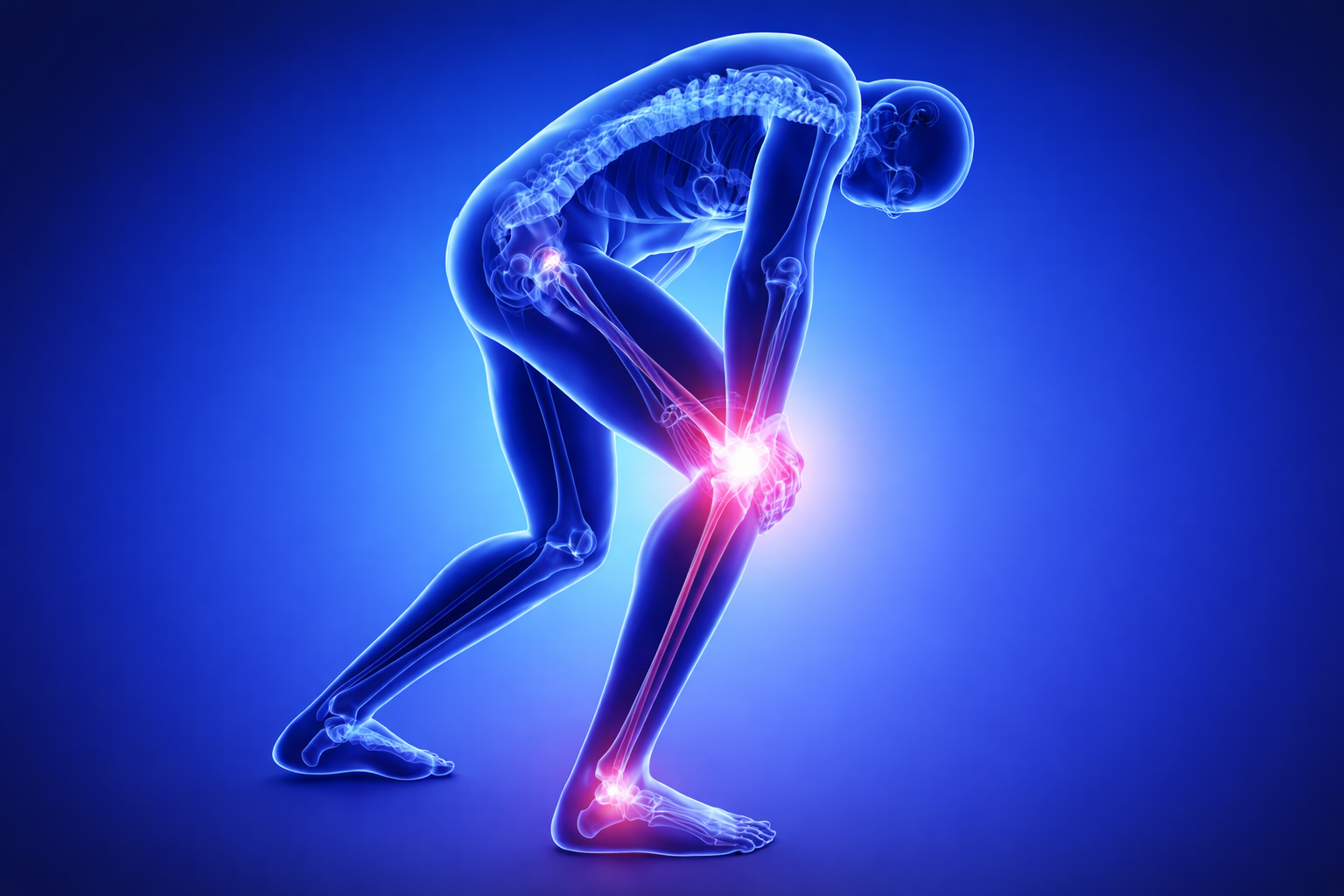
Common Causes of Knee Pain
Knee pain can happen for many reasons. Some are related to injury, while others happen due to wear and tear over time.
1. Injury
A sudden fall, sports injury, or accident can damage the knee joint. Injuries may affect the ligaments, cartilage, or bones in the knee.
2. Arthritis
Arthritis is one of the most common causes of knee pain, especially in older adults. It causes inflammation, stiffness, and swelling in the joints.
3. Overuse
People who stand for long hours, climb stairs frequently, or perform repetitive movements may develop knee pain due to overuse.
4. Muscle Weakness
Weak thigh or leg muscles can put extra pressure on the knee joint, leading to pain and discomfort.
5. Age-Related Wear and Tear
As we age, the cushioning cartilage in the knee joint can gradually wear down. This may lead to pain, stiffness, and reduced movement.
Symptoms You Should Not Ignore
Sometimes knee pain may go away with rest. But certain symptoms need medical attention.
Watch for these signs:
- Persistent knee pain
- Swelling around the knee
- Difficulty walking or bending the knee
- Knee stiffness in the morning
- A popping or grinding sensation in the joint
If these symptoms continue for several days, it is better to consult an orthopaedic doctor.
Treatment Options for Knee Pain
The treatment for knee pain depends on the cause and severity of the condition. An orthopaedic doctor will examine the knee and recommend the best treatment.
Common treatment options include:
1. Rest and Lifestyle Changes
Avoid activities that put stress on the knee. Simple lifestyle changes can help reduce pain and prevent further damage.
2. Physiotherapy
Physiotherapy exercises help strengthen the muscles around the knee and improve joint movement.
3. Medications
Doctors may prescribe medications to reduce pain and inflammation.
4. Supportive Devices
Knee braces or supports may be recommended to stabilize the joint.
5. Surgical Treatment
In severe cases, surgery may be required to repair damaged structures in the knee.
At Shifa Hospital, patients receive proper evaluation and treatment for various orthopaedic conditions.
When Should You See an Orthopaedic Doctor?
You should consult an orthopaedic specialist if:
- Knee pain lasts more than a few days
- Swelling or stiffness increases
- You find it difficult to walk or stand
- Pain occurs after an injury or fall
Early diagnosis and treatment can prevent the condition from becoming more serious.
At Shifa Hospital, knee problems are evaluated and treated by experienced specialists such as Dr. Ahamed Yoosuf, who provides care for various bone and joint conditions.
Tips to Keep Your Knees Healthy
You can protect your knee joints by following some simple habits:
- Maintain a healthy body weight
- Exercise regularly to strengthen leg muscles
- Avoid sudden heavy strain on the knees
- Wear proper footwear
- Stretch before physical activities
Taking care of your joints today can help you stay active and pain-free in the future.
Conclusion
Knee pain is common, but it should not be ignored. Identifying the cause early and getting proper treatment can help you return to your normal activities without discomfort.
If knee pain is affecting your daily life, consulting an orthopaedic doctor can help you find the right solution and prevent long-term problems.
M.B.B.S., MS (ORTHO)
Orthopaedcs
Shifa Hospitals

March 16, 2026
shifa_hospitals
Recovering from angioplasty goes beyond the hospital stay - it’s a journey of lifestyle changes that protect the heart for years to come. One of the most...
February 21, 2026
shifa_hospitals
Recovering from angioplasty goes beyond the hospital stay - it’s a journey of lifestyle changes that protect the heart for years to come. One of the most...
February 11, 2026
shifa_hospitals
Recovering from angioplasty goes beyond the hospital stay - it’s a journey of lifestyle changes that protect the heart for years to come. One of the most...
January 17, 2026
shifa_hospitals
Heart-related problems can be frightening, especially when a doctor mentions surgery. At that moment, many patients and their families hear two common...
December 19, 2025
shifa_hospitals
Heart-related problems can be frightening, especially when a doctor mentions surgery. At that moment, many patients and their families hear two common...
December 12, 2025
shifa_hospitals
Fibroids are extremely common among women, especially during the reproductive years. Many women discover them accidentally during scans, while others notice...
November 25, 2025
shifa_hospitals
Radiation therapy uses high-energy rays (similar to X-rays) to target and destroy cancer cells. These cancer cells grow much faster than normal cells,...
November 21, 2025
shifa_hospitals
COPD develops slowly and often begins with symptoms like breathlessness, long-term cough, or frequent chest infections. Many people ignore these early...
October 30, 2025
shifa_hospitals
Both Pneumonia and Tuberculosis are lung diseases that can cause cough, fever, and breathing difficulty. When symptoms overlap, many people search for...
October 22, 2025
shifa_hospitals
Bloating during ovulation may make your stomach appear swollen, cause mild discomfort, or even mimic premenstrual bloating. This temporary bloating is...