
10 Everyday Foods That Boost Immunity
A strong immune system helps your body fight infections, recover faster, and stay active in daily life. While no single food can completely prevent illness, regular intake of nutrient-rich foods strengthens your natural defense system over time.
The best part is that many immunity-supporting foods are already available in your kitchen.
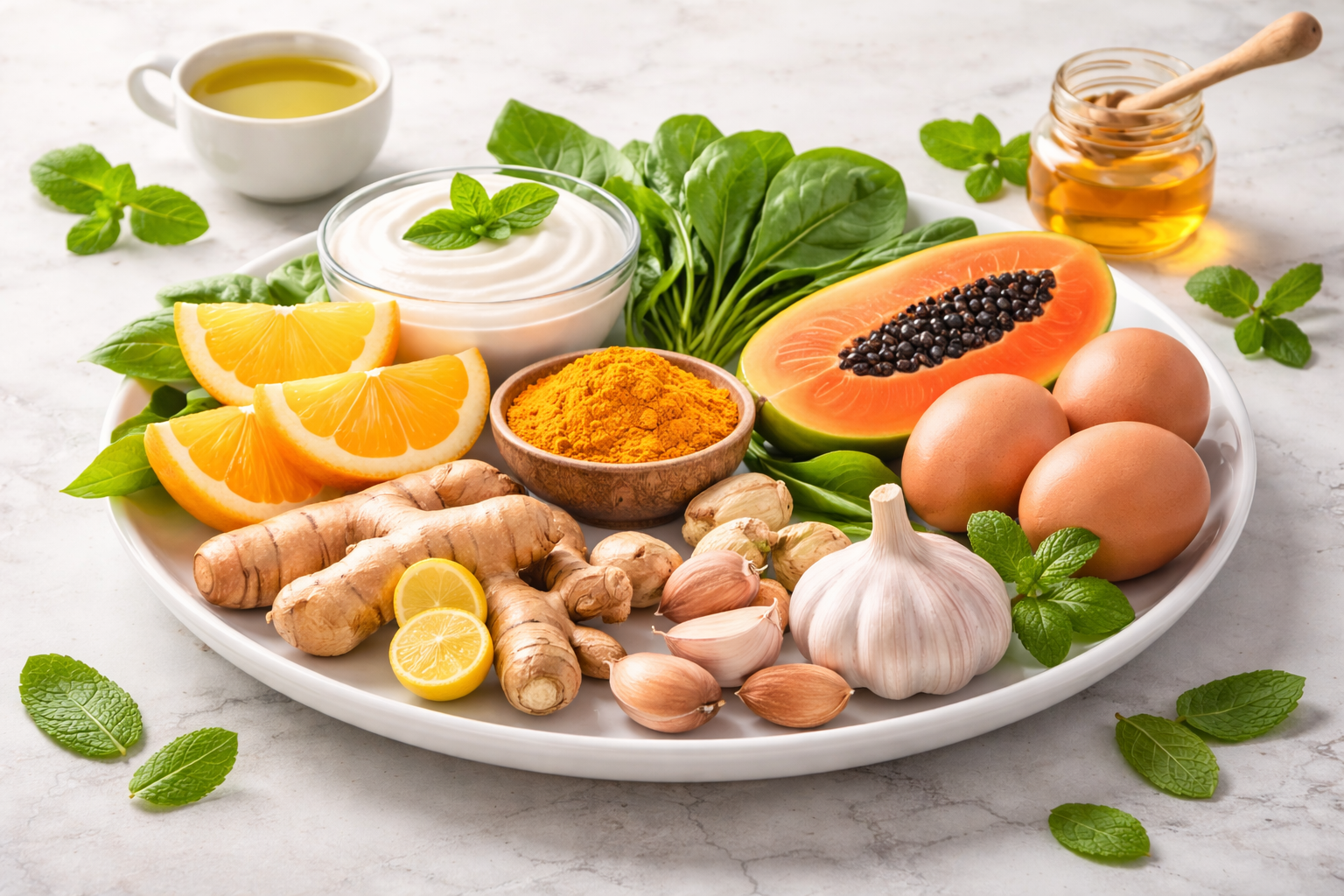
Why Immunity Matters
Your immune system protects your body from bacteria, viruses, and harmful substances. When immunity becomes weak due to stress, poor sleep, unhealthy eating, or medical conditions, the body becomes more prone to infections and slow recovery. Supporting immunity through daily food choices is one of the simplest ways to protect long-term health.
1. Citrus Fruits
Oranges, sweet lime, lemons, and grapefruits are rich in vitamin C, which supports the production of white blood cells. These cells are essential for fighting infections. Including fresh citrus fruits in your daily diet helps your body respond better to seasonal illnesses.
2. Turmeric
Turmeric contains curcumin, a powerful natural compound known for its anti-inflammatory and antioxidant properties. It supports immune response and overall wellness. Adding turmeric to curries or warm milk regularly can provide steady immune support.
3. Ginger
Ginger has natural anti-inflammatory effects and helps support digestion. A healthy digestive system plays an important role in immunity. Drinking ginger tea or adding fresh ginger to meals can help reduce throat irritation and support recovery during minor infections.
4. Garlic
Garlic contains compounds that stimulate immune cells and enhance the body’s ability to fight germs. Regular consumption may reduce the severity of common infections. Including garlic in daily cooking is an easy way to strengthen immune defense.
5. Spinach
Spinach is rich in vitamin C, antioxidants, and beta carotene. These nutrients help improve the body’s infection-fighting capacity. Light cooking helps retain its nutritional value while making it easier for the body to absorb nutrients.
6. Yogurt (Curd)
SCurd contains probiotics that maintain healthy gut bacteria. Since a large part of the immune system is connected to gut health, improving digestion directly supports immunity. Choosing plain, unsweetened curd gives the best benefits.
7. Almonds
Almonds are a good source of vitamin E, an antioxidant that helps protect immune cells from damage. A small handful of soaked almonds daily provides healthy fats and immune-supporting nutrients.
8. Green Tea
Green tea contains flavonoids and antioxidants that reduce inflammation and protect cells. Regular consumption may support overall immune balance and improve hydration.
9. Papaya
Papaya is packed with vitamin C and digestive enzymes that support gut health. Good digestion improves nutrient absorption, which strengthens the body’s natural defenses.
10. Eggs
Eggs provide high-quality protein and vitamin D, both essential for maintaining immune function. Protein helps repair tissues and supports the production of immune cells.
Healthy Habits That Support Immunity
Food works best when combined with healthy daily habits. Getting adequate sleep, exercising regularly, staying hydrated, and managing stress all contribute to a stronger immune response. Avoiding smoking and limiting processed foods further protects your overall health.
When to Consult a Doctor
If you frequently experience infections, prolonged fatigue, or slow healing, it may indicate an underlying health condition. Medical evaluation helps identify issues such as anemia, diabetes, or nutritional deficiencies that affect immunity.
At Shifa Hospital in Tirunelveli, doctors provide preventive health guidance and complete checkups to help you maintain strong immunity throughout the year.
March 26, 2026
shifa_hospitals
Recovering from angioplasty goes beyond the hospital stay - it’s a journey of lifestyle changes that protect the heart for years to come. One of the most...
March 16, 2026
shifa_hospitals
Recovering from angioplasty goes beyond the hospital stay - it’s a journey of lifestyle changes that protect the heart for years to come. One of the most...
February 21, 2026
shifa_hospitals
Recovering from angioplasty goes beyond the hospital stay - it’s a journey of lifestyle changes that protect the heart for years to come. One of the most...
February 11, 2026
shifa_hospitals
Recovering from angioplasty goes beyond the hospital stay - it’s a journey of lifestyle changes that protect the heart for years to come. One of the most...
January 17, 2026
shifa_hospitals
Heart-related problems can be frightening, especially when a doctor mentions surgery. At that moment, many patients and their families hear two common...
December 19, 2025
shifa_hospitals
Heart-related problems can be frightening, especially when a doctor mentions surgery. At that moment, many patients and their families hear two common...
December 12, 2025
shifa_hospitals
Fibroids are extremely common among women, especially during the reproductive years. Many women discover them accidentally during scans, while others notice...
November 25, 2025
shifa_hospitals
Radiation therapy uses high-energy rays (similar to X-rays) to target and destroy cancer cells. These cancer cells grow much faster than normal cells,...
November 21, 2025
shifa_hospitals
COPD develops slowly and often begins with symptoms like breathlessness, long-term cough, or frequent chest infections. Many people ignore these early...
October 30, 2025
shifa_hospitals
Both Pneumonia and Tuberculosis are lung diseases that can cause cough, fever, and breathing difficulty. When symptoms overlap, many people search for...