
High Blood Pressure and Heart Disease: A Complete Preventive Care Guide
Introduction: Why High Blood Pressure Is Called a Silent Killer
High Blood Pressure, also known as Hypertension, is one of the most common health problems today. Many people live with high BP without any symptoms. But silently, it damages the heart and blood vessels over time. If left uncontrolled, high blood pressure can lead to serious heart diseases, heart attack, and stroke.
At Shifa Hospital, Tirunelveli, our cardiology team strongly focuses on early detection and prevention to protect your heart.
What Is High Blood Pressure?
Blood pressure is the force of blood pushing against the walls of your arteries. When this pressure remains high for a long time, it is called high blood pressure.
Normal Blood Pressure Levels
- Normal: Below 120/80 mmHg
- Elevated: 120–129 / below 80
- High BP Stage 1: 130–139 / 80–89
- High BP Stage 2: 140/90 or higher
Regular BP monitoring is essential, especially after the age of 30.
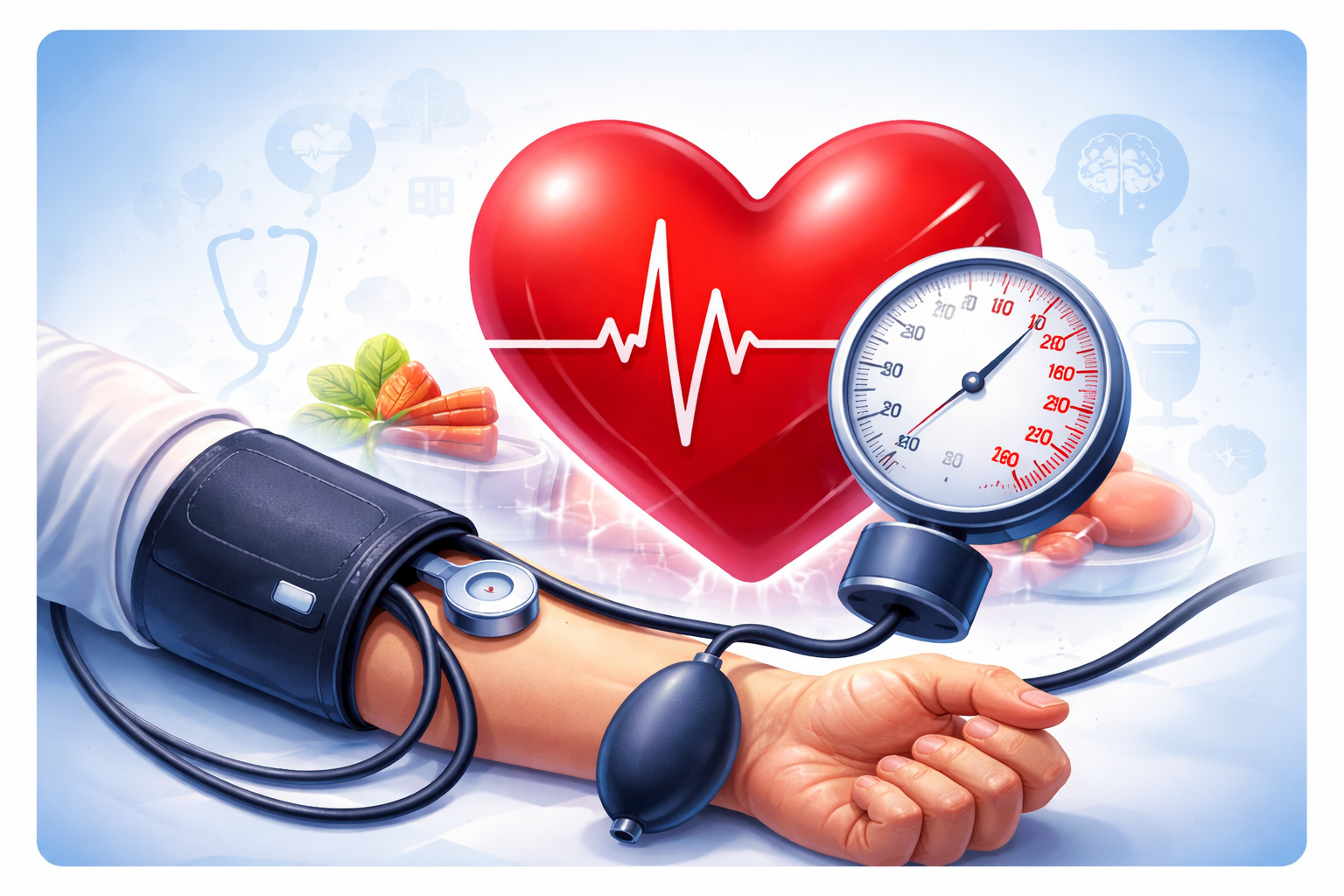
How High Blood Pressure Affects the Heart
High blood pressure forces the heart to work harder. Over time, this causes serious damage.
Major Heart Problems Caused by High BP
- Coronary Artery Disease – Narrowing of heart blood vessels
- Heart Attack – Reduced blood flow to heart muscles
- Heart Failure – Weak pumping of the heart
- Enlarged Heart – Thickened heart muscles
- Irregular Heartbeat – Risk of sudden cardiac events
Common Causes and Risk Factors of High Blood Pressure
Lifestyle Causes
- Excess salt intake
- Lack of physical activity
- Obesity
- Stress and poor sleep
- Smoking and alcohol use
Medical Risk Factors
- Diabetes
- High cholesterol
- Kidney problems
- Family history of hypertension
- Age above 40 years
Symptoms of High Blood Pressure (Often Ignored)
Most people with high BP have no symptoms. However, some may experience:
- Headache
- Dizziness
- Shortness of breath
- Chest discomfort
- Blurred vision
⚠️ Never wait for symptoms. Regular check-ups save lives
Tests to Detect Blood Pressure–Related Heart Problems
At Shifa Hospital, we recommend the following heart evaluations:
- Blood pressure monitoring
- ECG (Electrocardiogram)
- 2D Echo
- TMT (Stress test)
- Blood tests (cholesterol, sugar)
Early testing helps prevent major heart events.
Preventive Care: How to Control Blood Pressure and Protect Your Heart
- Healthy Diet for Blood Pressure Control
- Reduce salt intake
- Eat fruits and vegetables daily
- Choose whole grains
- Avoid fried and processed foods
- Regular Physical Activity
- Brisk walking for 30 minutes daily
- Yoga or light exercises
- Avoid prolonged sitting
- Weight Management
Maintaining a healthy weight reduces pressure on the heart.
- Stress Management
- Adequate sleep
- Relaxation techniques
- Avoid excessive mental stress
- Quit Smoking and Limit Alcohol
Smoking and alcohol significantly increase heart risk.
Role of Medicines in High Blood Pressure
When lifestyle changes are not enough, doctors prescribe medicines to control BP. These medicines:
- Protect the heart
- Prevent complications
- Reduce heart attack risk
⚠️ Never stop BP medicines without medical advice.
When Should You Consult a Cardiologist?
- Persistent high BP readings
- Chest pain or breathlessness
- Diabetes with BP problems
- Family history of heart disease
Early cardiology consultation helps prevent long-term damage.
Why Choose Shifa Hospital for BP and Heart Care in Tirunelveli?
- Experienced cardiology specialists
- Advanced heart diagnostic facilities
- Preventive heart care focus
- Emergency cardiac support
- Trusted healthcare provider in Tirunelveli
Frequently Asked Questions (FAQs)
Can high blood pressure cause heart disease even without symptoms?
Yes. High blood pressure is called a silent killer because it often shows no symptoms. Even without warning signs, it slowly damages the heart and blood vessels, increasing the risk of heart attack, heart failure, and stroke.
At what age should I start checking my blood pressure regularly?
Blood pressure should be checked regularly after the age of 30 years. If you have diabetes, obesity, or a family history of high BP or heart disease, earlier and more frequent checks are advised.
Can lifestyle changes alone control high blood pressure?
In early stages, lifestyle changes like reducing salt, regular exercise, weight control, stress management, and quitting smoking can help control BP. However, some people may still need medicines as advised by a cardiologist.
When should I visit Shifa Hospital for high blood pressure care?
You should consult Shifa Hospital, Tirunelveli, if:
Your BP readings are repeatedly high
You have chest pain, dizziness, or breathlessness
You have diabetes or kidney problems
You have a family history of heart disease
Early consultation helps prevent serious heart complications.
Conclusion
High blood pressure may not show symptoms, but its impact on the heart can be severe. With early diagnosis, healthy lifestyle changes, and proper medical care, heart diseases caused by high BP can be prevented. Regular check-ups and expert guidance are key to a healthy heart.
If you or your loved ones have high blood pressure, consult the cardiology team at Shifa Hospital, Tirunelveli, for comprehensive heart care
M.B.B.S., M.D.(General Medicine) D.M.(Cardiology)., FNB
Cardiology
Shifa Hospitals

February 21, 2026
shifa_hospitals
Recovering from angioplasty goes beyond the hospital stay - it’s a journey of lifestyle changes that protect the heart for years to come. One of the most...
February 11, 2026
shifa_hospitals
Recovering from angioplasty goes beyond the hospital stay - it’s a journey of lifestyle changes that protect the heart for years to come. One of the most...
January 17, 2026
shifa_hospitals
Heart-related problems can be frightening, especially when a doctor mentions surgery. At that moment, many patients and their families hear two common...
December 19, 2025
shifa_hospitals
Heart-related problems can be frightening, especially when a doctor mentions surgery. At that moment, many patients and their families hear two common...
December 12, 2025
shifa_hospitals
Fibroids are extremely common among women, especially during the reproductive years. Many women discover them accidentally during scans, while others notice...
November 25, 2025
shifa_hospitals
Radiation therapy uses high-energy rays (similar to X-rays) to target and destroy cancer cells. These cancer cells grow much faster than normal cells,...
November 21, 2025
shifa_hospitals
COPD develops slowly and often begins with symptoms like breathlessness, long-term cough, or frequent chest infections. Many people ignore these early...
October 30, 2025
shifa_hospitals
Both Pneumonia and Tuberculosis are lung diseases that can cause cough, fever, and breathing difficulty. When symptoms overlap, many people search for...
October 22, 2025
shifa_hospitals
Bloating during ovulation may make your stomach appear swollen, cause mild discomfort, or even mimic premenstrual bloating. This temporary bloating is...
August 30, 2025
shifa_hospitals
Recovering from angioplasty goes beyond the hospital stay - it’s a journey of lifestyle changes that protect the heart for years to come. One of the most...